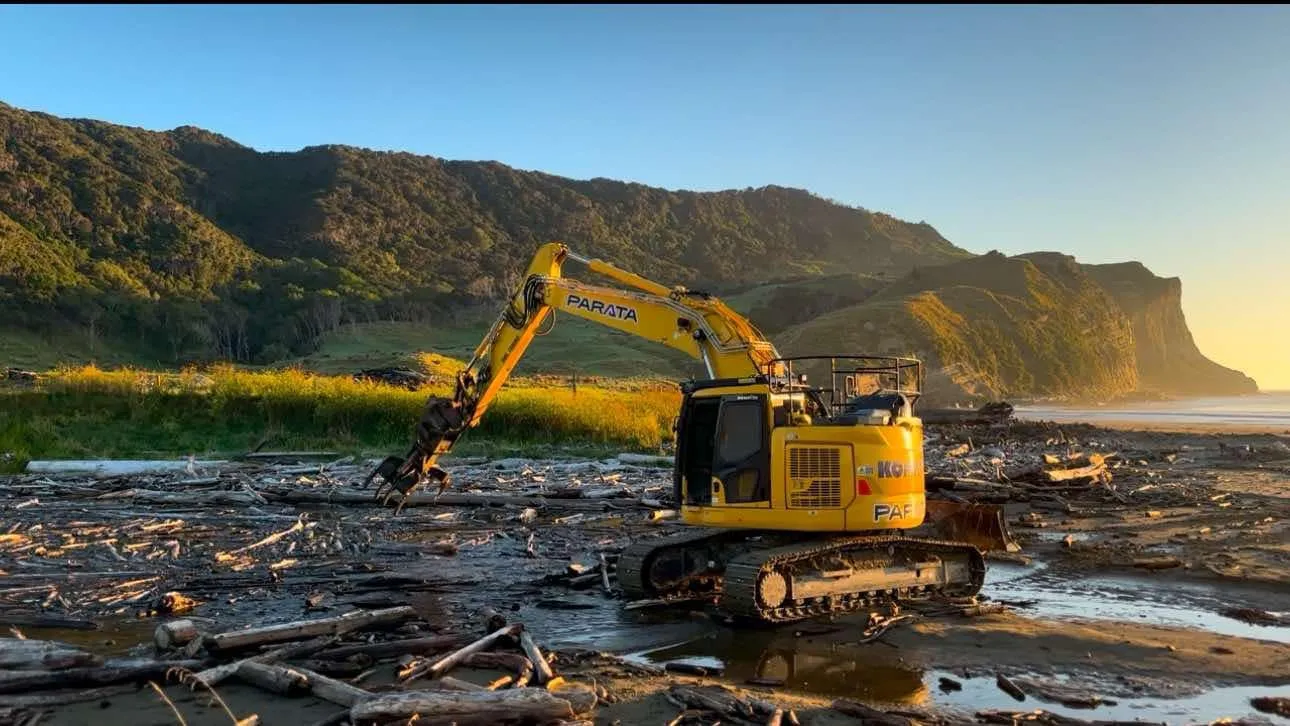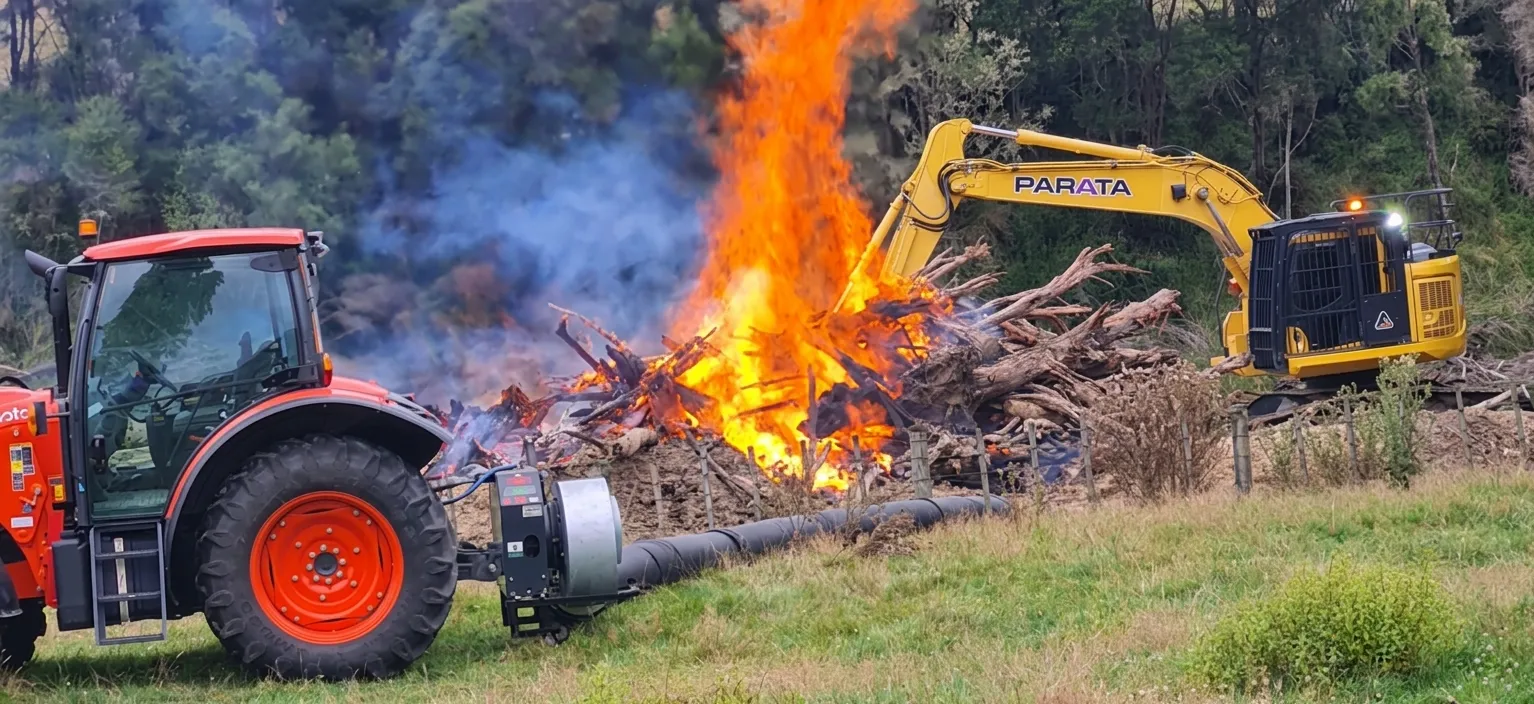
If you have driven along the East Coast of New Zealand in recent years, you have likely seen the aftermath — piles of woody debris, known as forestry slash, littering beaches, clogging rivers, and damaging infrastructure. It is a problem that has grown significantly since Cyclone Gabrielle and the severe weather events of 2023.
What Is Forestry Slash?
Forestry slash refers to the branches, tree tops, bark, and other woody debris left behind after harvesting operations. In normal conditions, this material breaks down over time and can actually help with erosion control on harvested slopes.
However, when extreme rainfall hits steep, recently harvested land, the slash can mobilise — travelling downhill with floodwaters at devastating speed and force. The result is slash-laden floods that damage bridges, block culverts, destroy fences, and deposit debris across farmland, roads, and beaches.
The Scale of the Problem
The East Coast has been particularly hard hit. The combination of steep terrain, erodible soils, extensive forestry plantations, and increasing storm intensity has created a perfect storm — literally.
After Cyclone Gabrielle, thousands of tonnes of slash were deposited across the Tolaga Bay area alone. The cleanup has been ongoing, involving multiple contractors, council resources, and government funding.
Parata’s Role in Slash Cleanup
Parata has been actively involved in slash cleanup operations across the East Coast. Our work includes:
- Beach and coastal cleanup — removing slash from beaches and coastal areas using excavators and trucks
- River and stream clearing — removing debris blockages that create flood risk
- Culvert and bridge clearing — ensuring drainage infrastructure is functional
- Access road restoration — rebuilding roads damaged by slash-laden floods
- Erosion control — stabilising slopes to prevent further slash movement
This work requires specialised equipment and experienced operators who can work safely in challenging conditions — often on steep terrain, in waterways, or in remote locations with limited access.
Prevention Is Better Than Cure
While cleanup is essential, the industry and government are also focused on prevention. Key measures include:
Better Harvesting Practices
- Retaining slash on slopes using windrows and barriers
- Harvesting in smaller coupes to reduce the volume of exposed slash
- Improved slash management plans as part of resource consent conditions
Improved Setbacks
- Greater buffer zones between harvesting areas and waterways
- Protecting riparian margins to filter and slow runoff
Regulatory Changes
- The National Environmental Standards for Plantation Forestry have been tightened
- Regional councils are imposing stricter conditions on harvesting consents
- The forestry industry is developing voluntary codes of practice
Engineering Solutions
- Slash traps and catchment structures on hillsides
- Improved culvert sizing to handle debris-laden flows
- Resilient bridge designs that can withstand slash impacts
A Community Issue
Forestry slash is not just an environmental or infrastructure issue — it is a community issue. When slash blocks a road or destroys a bridge, it is local families who are cut off. When it covers a beach, it is local people who lose access to a treasured place.
At Parata, we see this first-hand because we live and work in these communities. Our team members are locals who are personally invested in the recovery and resilience of the East Coast.
Looking Forward
The slash problem will not be solved overnight, but progress is being made. Better practices, stronger regulations, and continued investment in cleanup and prevention are all contributing to a more sustainable approach.
Learn more about our forestry services including slash cleanup, or see our East Coast slash cleanup project.
If you need slash cleanup, erosion control, or infrastructure repair services, get in touch with our team. We are here to help our community recover and build resilience for the future.